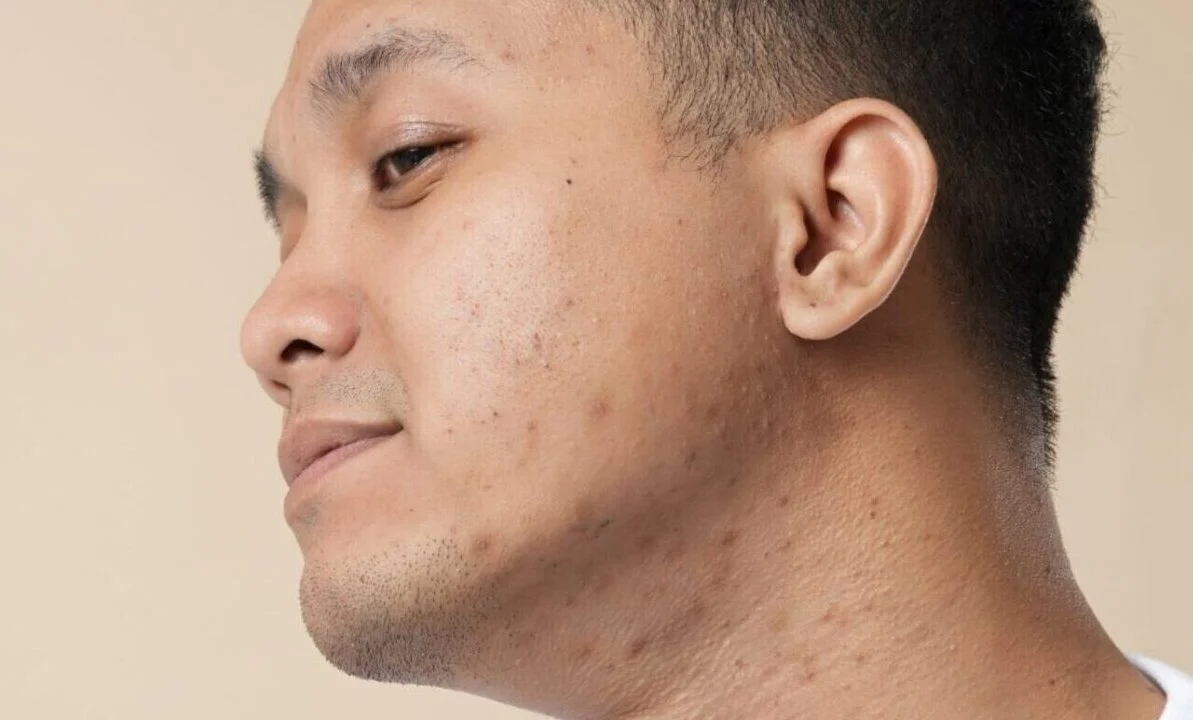
Acne Scar Treatment in Melbourne: Which Treatment Is Right for Your Skin?
Have you ever wondered why some pimples disappear without a trace, while others leave behind red marks, dark spots or small dents in your skin?
It’s a common concern, and the answer has a lot to do with how your skin responds to inflammation and repairs itself.
But here’s something many people don’t realise: not every mark left behind by acne is actually a scar.
Some marks are caused by lingering redness or pigmentation. Others involve changes in collagen that affect the skin’s texture. And because these changes happen differently, they don’t all respond to the same treatments.
At Medix Skincare & Laser Clinic in Bentleigh, Melbourne, we offer chemical peels, UltraPlus VPL skin rejuvenation, medical skin needling and radiofrequency (RF) microneedling to help address different post-acne concerns.
In this guide, we’ll help you understand what kind of marks or scars you might have, how these treatments work and which options may be worth considering for your skin.
What Type of Acne Scars or Marks Do You Have?
Before exploring treatments, it helps to understand what you’re actually seeing on your skin.
Acne can leave behind changes in colour, texture or both. Some marks gradually fade as your skin recovers, while others involve structural changes that can last much longer.
Here are the main differences.
1. Red or Pink Acne Marks (Post-Inflammatory Erythema)
Does your skin feel relatively smooth, but you can still see red or pink marks where your pimples used to be?
These marks may be post-inflammatory erythema (PIE).
PIE develops when inflammation affects the small blood vessels near the skin’s surface. Even after the original breakout has healed, redness can remain visible.
Unlike depressed acne scars, PIE usually doesn’t involve a loss of collagen or a permanent indentation in the skin.
What may help?
Some red marks fade naturally over time. For persistent redness, selected light-based treatments may be helpful.
At Medix, our Energist UltraPlus VPL skin rejuvenation system may be considered for suitable skin types, following a professional assessment.
2. Brown or Dark Acne Marks (Post-Inflammatory Hyperpigmentation)
If your acne leaves behind brown, grey-brown or darker patches, you may be experiencing post-inflammatory hyperpigmentation (PIH).
PIH develops when inflammation stimulates excess melanin production, leaving discolouration where a breakout has healed. These marks can affect any skin tone but may be particularly persistent in people with more richly pigmented skin.
What may help?
Sun protection and an appropriate skincare routine are important. Professional treatments that support skin regeneration and renewal, including selected chemical peels, may also help.
Light-based treatments may be considered in some cases, but they require careful assessment because inappropriate treatment can worsen pigmentation.
You can learn more about related concerns in our guide to pigmentation and sunspots.
3. Depressed Acne Scars (Atrophic Scars)
Have you noticed small dents, uneven areas or a wavy texture on your skin, particularly around your cheeks?
These may be atrophic acne scars. They develop when inflammation damages the skin’s supporting tissue and the healing process doesn’t fully replace the lost collagen.
Atrophic scars are generally divided into three types:
- Rolling scars: Broad, shallow depressions that give the skin a wavy appearance.
- Boxcar scars: Round or oval depressions with more defined edges.
- Ice-pick scars: Small, narrow but deeper openings in the skin.
Unlike flat red or brown marks, these scars involve changes in the skin’s structure.
What may help?
Treatments that encourage collagen remodelling, such as medical skin needling and RF microneedling, may improve the appearance of selected depressed scars.
However, the type, depth and attachment of the scar matter. Deep ice-pick scars and strongly tethered rolling scars may require specialist procedures beyond the treatments available at Medix.
For a closer look at the different types, read our article on how acne scars form.
4. Raised Acne Scars (Hypertrophic Scars)
Not all acne scars create depressions. Some produce raised areas of scar tissue.
Hypertrophic scars develop when the skin produces excess collagen during healing. They can appear firm, thickened or elevated above the surrounding skin.
Unlike atrophic scars, raised acne scars require a different treatment approach. We don’t offer treatments for these types of scars at Medix, as they require medical assessment and may need specialist medical intervention.
Which Acne Scar Treatment Might Be Right for You?
Now that you understand the main differences, let’s look at how treatment options compare.
| Your main skin concern | Treatment options at Medix | What treatment aims to improve |
|---|---|---|
| Red or pink post-acne marks (PIE) | UltraPlus VPL, where suitable | Persistent vascular redness |
| Brown or dark post-acne marks (PIH) | Selected chemical peels; VPL in suitable cases | Uneven pigmentation and skin tone |
| Mild superficial texture changes | Medical skin needling; selected chemical peels | Skin renewal and surface texture |
| Rolling and shallow boxcar scars | Medical skin needling; RF microneedling | Collagen remodelling and depressed scar appearance |
| Selected moderate or deeper atrophic scars | RF microneedling | Deeper collagen remodelling and texture improvement |
This is a general guide, not a diagnosis or treatment recommendation. Some people have several types of marks or scars at once, and treatment suitability depends on their skin characteristics and clinical assessment.
Acne Scar Treatments Available at Medix Skincare
There isn’t one treatment that works equally well for every type of acne scar.
At Medix, we focus on understanding what is happening in your skin before discussing the most suitable options.
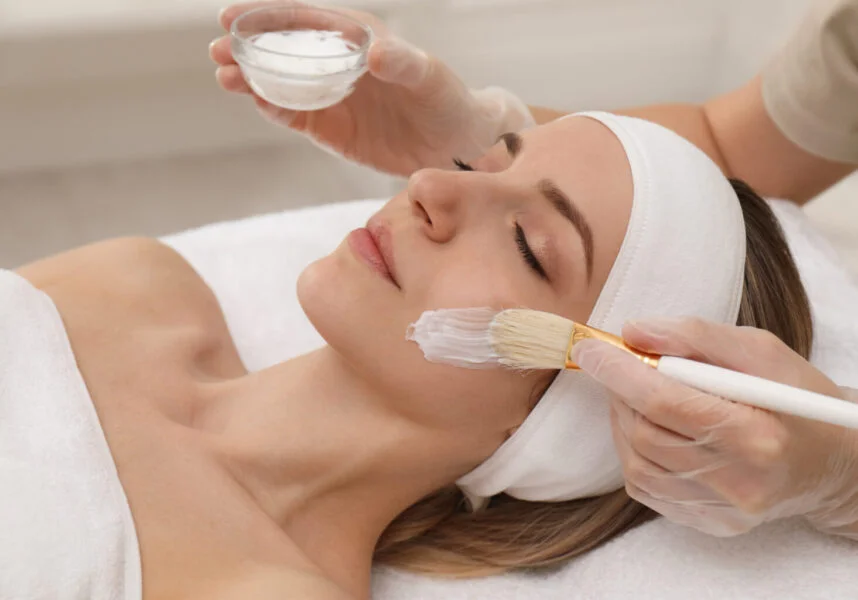
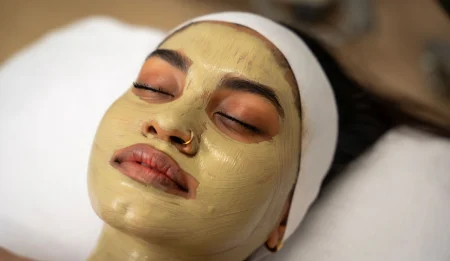
Chemical Peels: Supporting Skin Regeneration and Renewal
Best suited for: Selected dark post-acne marks, uneven pigmentation and mild superficial texture concerns.
If your acne has healed but left behind uneven colour or brown marks, a professional chemical peel may be worth considering.
Chemical peels use carefully selected solutions to encourage controlled skin regeneration and renewal.
Depending on the formulation and treatment depth, they can help improve uneven pigmentation, dullness and certain superficial textural irregularities.
Some formulations may also support collagen remodelling, although their effects vary considerably.
What should you know?
Chemical peels generally aren’t the primary treatment for deep, depressed acne scars or persistent vascular redness.
They’re also not suitable for everyone. In pigmentation-prone skin, excessive irritation can make dark marks worse, so selecting the right treatment is especially important.
Learn more about our professional chemical peel treatments.
UltraPlus VPL Skin Rejuvenation: For Selected Red and Brown Post-Acne Marks
Best suited for: Selected post-acne redness and superficial pigmentation concerns in suitable skin types.
Sometimes acne has completely cleared, yet the redness seems to stay.
If your skin feels smooth but you can still see red or pink marks, the concern may be related to superficial blood vessels rather than collagen loss.
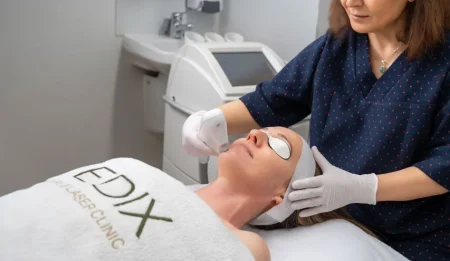
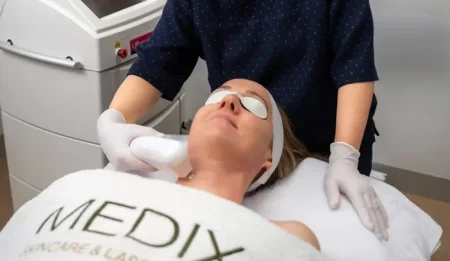
At Medix, we use the Energist UltraPlus Variable Pulsed Light (VPL) system for selected skin rejuvenation concerns.
Unlike laser resurfacing, UltraPlus VPL delivers broad-spectrum light in controlled micro-pulses. Its settings can be adjusted according to the treatment target and individual skin characteristics.
The underlying principle is called selective photothermolysis: certain structures absorb light energy, which is converted into controlled heat.
For post-acne marks, there are two relevant targets:
- Redness (PIE): Haemoglobin in superficial blood vessels can absorb appropriate wavelengths of light, potentially helping reduce visible redness.
- Pigmentation (PIH): Melanin can absorb light energy, potentially helping selected superficial pigmentation concerns.
What should you know?
Research involving intense pulsed light (IPL) and related technologies suggests potential benefits for some post-acne redness and pigmentation concerns. However, not everyone is a suitable candidate, particularly with darker skin types, when there is a higher risk of pigmentation changes.
VPL is also not intended to correct deep, depressed acne scars.
Explore our guide to skin rejuvenation treatments in Melbourne.
Medical Skin Needling: Encouraging Collagen Remodelling
Best suited for: Selected mild to moderate atrophic acne scars, including some rolling and shallow boxcar scars as well as post inflamatory hyperpigmentation.
If your main concern is uneven skin texture rather than lingering colour, medical skin needling may be a more relevant option.
Skin needling creates controlled micro-injuries that activate the skin’s natural wound-healing response.
As part of this process, the skin produces and reorganises collagen and elastin, helping support gradual improvements in texture.
For selected depressed acne scars, this can make the surface appear smoother and the indentations less noticeable over time.
What should you know?
Skin needling doesn’t fill scars instantly. Improvements develop gradually as the skin responds and remodels.
A series of 4-6 sessions may be recommended, depending on the scar type, severity and individual healing response.
Very deep or strongly tethered scars may respond poorly to skin needling alone.
For more information, read our guide to skin needling in Melbourne.
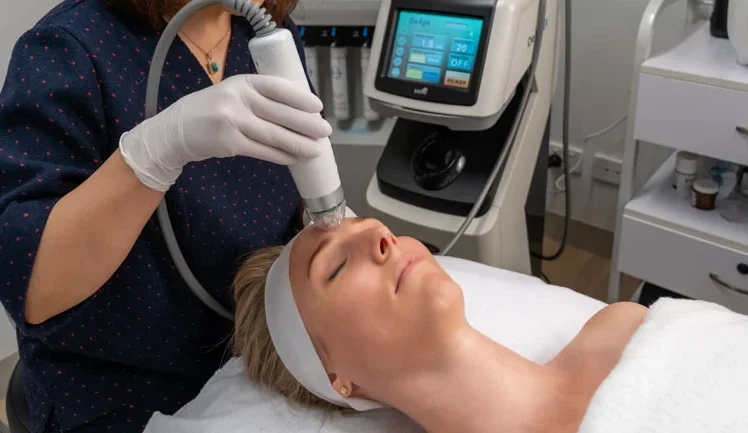
RF Microneedling: Addressing More Pronounced Texture Concerns
Best suited for: Selected moderate or more pronounced atrophic scars and uneven skin texture.
Some acne scars affect deeper layers of the skin and may need a different approach.
Radiofrequency (RF) microneedling combines fine needles with controlled radiofrequency energy delivered into selected skin layers.
The needles create controlled treatment zones, while RF energy produces targeted heating within the dermis.
Together, these effects encourage the skin’s natural repair process and stimulate collagen production and remodelling in the deeper layers of the skin, helping improve the appearance of depressed acne scars over time.
RF microneedling may be considered for selected depressed scars where more pronounced texture changes are present.
What should you know?
RF microneedling isn’t automatically better than conventional skin needling for everyone.
Treatment choice depends on the depth and type of scarring, skin characteristics, potential risks and individual goals.
Some deeper scars, particularly ice-pick scars and strongly tethered rolling scars, may require specialist procedures such as subcision or focal scar treatments rather than microneedling alone.
Learn more about RF microneedling in Melbourne.
What Causes Acne Scars in the First Place?
Understanding why acne scars develop can also help you make sense of your treatment options.
When a pore becomes blocked with excess oil and dead skin cells, inflammation can develop around the hair follicle.
More severe inflammation can damage the surrounding tissue.
Your skin responds by repairing the affected area and producing new collagen. However, the healing process doesn’t always restore the original structure.
If too little supporting tissue is replaced, a depressed scar may form. If too much collagen is produced, a raised scar can develop.
Several factors can influence this process, including:
- The severity of acne: Deep inflammatory breakouts are more likely to cause tissue damage.
- How long inflammation continues: Persistent or untreated inflammatory acne can increase the risk of scarring.
- Picking or squeezing blemishes: Additional trauma can worsen inflammation and damage.
- Individual healing responses: Genetics and skin characteristics influence how the skin repairs itself.
This is why managing active acne early is an important part of reducing the risk of future scarring.
What Can You Realistically Expect from Acne Scar Treatment?
One of the most common questions we hear is whether acne scars can disappear completely.
The answer depends on the type of mark or scar you’re treating.
Flat red or brown marks may gradually fade over time, sometimes with appropriate skincare or professional treatment.
Structural acne scars are different. They involve changes in the skin’s supporting tissue, and complete removal isn’t always possible.
Professional treatments may help soften their appearance, improve texture and make scars less noticeable, but results vary.
How many sessions will you need?
There isn’t a single number that applies to everyone. Some concerns may respond to a relatively limited course of treatment, while more established scarring can require multiple sessions or a staged approach.
Your clinician can discuss a realistic plan after assessing your skin.
Is there any downtime?
Downtime varies depending on the treatment and its intensity.
Chemical peels may cause temporary redness, sensitivity or peeling. Light-based treatments may produce redness, warmth or temporary pigment changes. Skin needling and RF microneedling commonly involve temporary redness, swelling or sensitivity.
Recovery can take longer with more intensive treatments, and complications are possible.
Before proceeding, it’s important to understand the expected recovery period, aftercare requirements and potential risks.
When will you notice results?
Some changes in skin tone may become noticeable as the skin recovers from treatment.
Treatments focused on collagen remodelling generally take longer. Improvements may develop gradually over weeks to months as the skin heals and reorganises collagen.
The timing and degree of improvement vary from person to person.
Can Different Acne Scar Treatments Be Combined?
Yes, in some cases, but combining treatments isn’t always necessary.
It’s common to have more than one type of post-acne concern.
For example, someone may have shallow rolling scars alongside persistent red marks. Another person may have uneven pigmentation and mild texture changes.
Because these concerns involve different processes in the skin, they may benefit from different approaches.
A staged treatment plan might focus on one concern first, allow appropriate recovery and then address another.
However, treatment combinations must be considered carefully. Skin sensitivity, active acne, pigmentation risk, recovery time and individual preferences all matter.
The goal isn’t to use as many treatments as possible. It’s to choose the options that make sense for your skin.
A More Personal Approach to Acne Scar Treatment at Medix
You don’t need to know whether your marks are PIE, PIH or atrophic scars before coming to see us. That’s something we can explore together.
At Medix Skincare & Laser Clinic in Bentleigh, we take the time to get to know you and your skin, listen to what’s bothering you and understand what you’d like to improve.
During your consultation, we’ll assess your skin, discuss your history and previous treatments, and help you understand what may be contributing to your concerns.
We’ll also talk about your goals, budget, recovery preferences and what you can realistically expect.
Sometimes the priority is lingering pigmentation or redness. Other times, improving uneven texture may be more important.
And occasionally, the most appropriate recommendation may be to focus on managing active acne first or seek specialist advice for scarring that needs a treatment we don’t offer.
Our approach is simple: understand your skin first, then work together to find the treatment options that feel right for you and your skin’s individual needs.
Why Choose Medix Skincare & Laser Clinic?
At Medix, we believe good skin care starts with understanding the person behind the skin concern.
With more than 15 years of industry experience, our clinic offers individualised skin assessments and a selection of professional treatment options.
Our approach focuses on:
- Personalised consultations: We listen to your concerns and consider your skin’s unique characteristics before recommending treatment.
- Experienced clinical care: Treatment planning is informed by professional dermal knowledge and practical experience.
- Realistic expectations: We explain what treatments may help with, where their limitations lie and what risks need to be considered.
- A range of treatment options: Chemical peels, UltraPlus VPL, medical skin needling and RF microneedling allow us to consider different approaches for different concerns.
- A convenient Bentleigh location: Our clinic is situated inside Allegiance Medical Centre, near Bentleigh Station in Melbourne’s southeast.
Our aim is to help you feel informed, comfortable and involved in decisions about your skin.
Ready to Understand Your Skin Better?
Whether you’re concerned about lingering red marks, dark spots or uneven skin texture, you don’t have to work out the differences on your own.
A personalised skin consultation can help you understand what you’re seeing and which treatment options may be appropriate.
Medix Skincare & Laser Clinic
1/367A Centre Road, Bentleigh, VIC 3204
Inside Allegiance Medical Centre, next to Bentleigh Station
Phone: (03) 9686 0003
Email: hello@medixskincare.com.au
Contact Medix Skincare & Laser Clinic to discuss your skin concerns and arrange a consultation.
Frequently Asked Questions About Acne Scar Treatment
What’s the difference between acne scars and acne marks?
Post-acne marks usually involve changes in skin colour, such as red or pink PIE marks or brown PIH marks. True acne scars involve changes in the skin’s structure, including depressed or raised areas. It’s possible to have both at the same time.
What is the best treatment for acne scars?
There isn’t one treatment that’s best for every scar. Skin needling and RF microneedling may help selected depressed scars, while chemical peels and light-based treatments can be considered for certain post-acne colour changes. The right option depends on your skin and the type of concern.
Can acne scars disappear completely?
Some post-acne marks may fade completely over time, but structural scars can be more persistent. Professional treatments may improve their appearance, although complete removal cannot be guaranteed.
Is skin needling or RF microneedling better?
Both treatments encourage collagen remodelling, but they work differently. Skin needling may be suitable for selected mild to moderate depressed scars, while RF microneedling may be considered for certain more pronounced texture concerns. Neither is universally better.
Can I have acne scar treatment if I still have active acne?
It depends on the treatment and severity of your breakouts. Active inflammatory acne may need to be managed before procedures such as skin needling or RF microneedling. A consultation can help establish the safest sequence.
Are acne scar treatments suitable for darker skin tones?
Some treatments can be suitable, but skin tone and pigmentation risk are important considerations. Certain chemical peels and light-based procedures may increase the risk of post-inflammatory pigmentation changes. Careful treatment selection and appropriate settings are essential.
How long does it take to see results?
It varies. Pigmentation and redness may change over time, while treatments that stimulate collagen remodelling generally require more patience. Improvements in depressed scars can develop gradually over weeks to months, often across a series of sessions.
Can old acne scars still be treated?
Yes, some established scars can still respond to professional treatment. However, scar type, depth and tissue characteristics affect which approaches are suitable and how much improvement is possible.
You can read more in our article, Can I Treat Old Acne Scars?.
Disclaimer: This article provides general educational information and is not a substitute for individual medical advice. Cosmetic treatments carry risks, including irritation, burns, infection, pigmentation changes and scarring. Treatment suitability and results vary. A qualified professional should assess your skin before recommending a procedure.