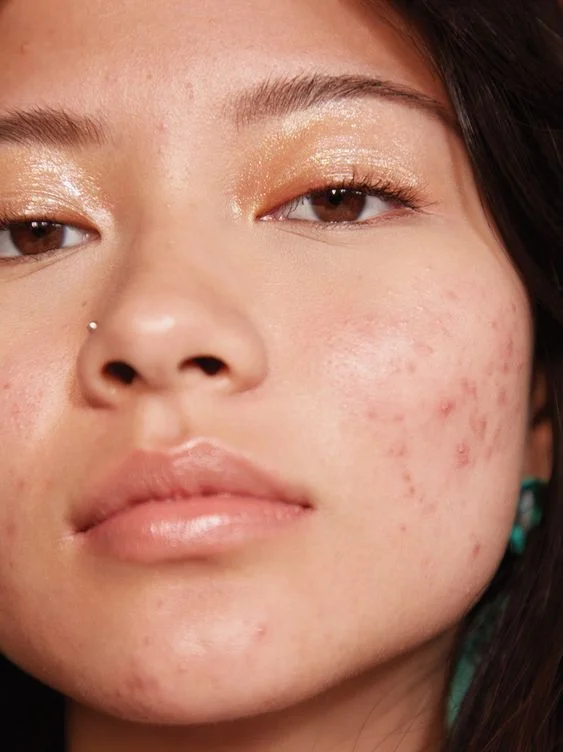
Can you prevent acne scars before they form? While not every acne scar can be avoided, treating active acne early and taking good care of your skin can make a real difference.
If you’re experiencing regular breakouts, the goal isn’t simply to clear the pimples you have today. It’s also to reduce ongoing inflammation and help protect your skin from lasting changes.
The good news is that there are practical steps you can take, from choosing the right skincare products and adjusting everyday habits to seeking professional treatment when needed.
Why Does Early Acne Treatment Matter?
Acne develops within the hair follicle and its associated sebaceous gland, known together as the pilosebaceous unit.
When pores become blocked and inflammation develops, you may notice red, swollen, tender or pus-filled pimples. Deeper or persistent inflammation can damage the surrounding skin tissue, including collagen.
As the skin heals, this damage may leave an indentation or, less commonly, a raised scar.
Research supports the importance of managing acne early. A 2026 clinical review published in Australian Prescriber highlights that effective early acne treatment can reduce the risk of permanent scarring.
This doesn’t mean every pimple will leave a scar. Your acne severity, the duration of inflammation and your individual healing response all play a role.
The key is to manage breakouts before they become persistent or severe, rather than waiting until scars have already developed.
If you’d like to understand the process in more detail, read our article on how acne scars form.
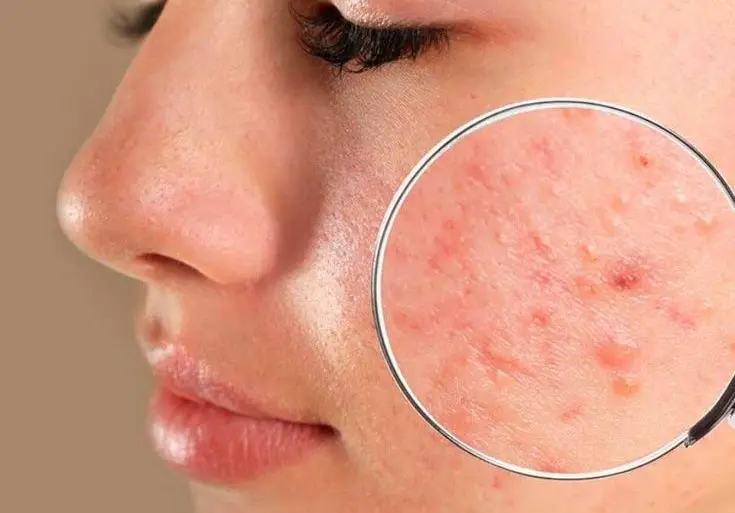
7 Practical Ways to Help Prevent Acne Scars
1. Treat Active Acne Early
One of the most important steps in reducing the risk of acne scarring is getting active breakouts under control.
When inflammatory acne continues for weeks or months, new lesions can develop while older ones are still healing.
Early treatment helps reduce the number and severity of breakouts, limiting the ongoing inflammation that can contribute to scarring.
Depending on your skin condition, treatment may involve a personalised homecare routine, professional skin treatments or prescription medication.
If your acne is deep, painful, widespread or already leaving scars, it’s important to seek advice from a GP or dermatologist.
2. Choose the Right Skincare Ingredients
A well-chosen homecare routine can make a meaningful difference when managing acne-prone skin.
Vitamin A derivatives, particularly topical retinoids, are among the most extensively researched ingredients for acne treatment.
They help regulate how skin cells mature and shed within the hair follicle, reducing blocked pores and the development of new acne lesions.
A 2024 peer-reviewed clinical guideline published in the Journal of the American Academy of Dermatology strongly recommended topical retinoids, including tretinoin and adapalene, for acne management.
Benzoyl peroxide is another well-supported acne treatment. It helps reduce acne-associated bacteria and inflammatory lesions.
However, not all vitamin A products are the same. Cosmetic retinol and prescription retinoids differ in their formulations, strength and clinical evidence.
Rather than introducing strong active ingredients without guidance, we recommend having your skin assessed to understand which products may suit your skin and how to use them appropriately.
Some ingredients can cause dryness or irritation, and topical retinoids should be avoided during pregnancy or when planning pregnancy.
At Medix, we can help you explore suitable homecare ingredients and advise when prescription acne treatment should be discussed with your doctor.
Read the peer-reviewed 2024 acne treatment guideline.
3. Avoid Picking, Squeezing or Frequently Touching Your Skin
We know how tempting it can be to squeeze a pimple, especially when it’s swollen or noticeable.
However, picking or squeezing inflamed breakouts can cause additional trauma, damage the skin barrier and prolong inflammation.
This may increase the likelihood of lingering redness, pigmentation or permanent scarring.
Try to avoid touching your face unnecessarily, particularly when your hands aren’t clean.
If a breakout is painful or persistent, it’s better to seek professional advice than repeatedly attempt to extract it yourself.
4. Pay Attention to Everyday Hygiene and Lifestyle Habits
Sometimes, small habits in your daily routine can contribute to breakouts, especially when your skin is already acne-prone.
A few things worth considering include:
- Change your pillowcase regularly. Pillowcases can collect sweat, oil and hair-product residue. Keeping them clean is a sensible hygiene habit, although direct evidence that frequent pillowcase changes prevent acne scars is limited.
- Keep oily hair products away from your face. Styling creams, pomades and other products can transfer onto your forehead and hairline, contributing to clogged pores in some people.
- Consider your working environment. If you work around oils, grease, dust or in hot conditions that cause heavy sweating, gently cleanse your skin after exposure and avoid leaving residue on your face.
- Be mindful of friction and sweat. Helmets, tight headbands, masks and other equipment may aggravate acne through friction, pressure and trapped moisture.
- Keep makeup tools clean. Wash reusable brushes and applicators regularly, and choose non-comedogenic makeup products where possible.
These habits may help reduce avoidable irritation and congestion, but they aren’t a substitute for effective acne treatment.
It’s also important to remember that acne isn’t caused by poor hygiene. Washing too frequently or scrubbing aggressively can irritate the skin rather than improve it.
5. Keep Your Skincare Gentle and Protect Your Skin From the Sun
When you’re experiencing breakouts, using more skincare products doesn’t necessarily mean better results.
Harsh scrubs, frequent exfoliation and repeatedly changing active ingredients can leave your skin feeling irritated and sensitive.
Instead, focus on a consistent routine with a gentle cleanser, a suitable moisturiser and professionally recommended active ingredients.
Daily sun protection is also important.
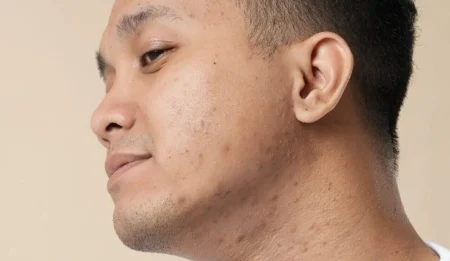
After a pimple heals, you may notice a red, pink or brown mark where the breakout used to be.
These marks aren’t necessarily permanent acne scars.
Sun exposure can make post-inflammatory pigmentation more noticeable and prolong its appearance.
Using a broad-spectrum SPF 50 or SPF 50+ sunscreen can help protect your skin and reduce further darkening of post-acne pigmentation.
Although sunscreen doesn’t directly prevent depressed acne scars, it remains an important part of caring for acne-prone skin.
6. Consider Professional Treatments for Active Acne
Sometimes, homecare alone isn’t enough to manage inflammatory breakouts.
Professional treatments may offer additional support, depending on your acne type, skin condition and treatment goals.
At Medix Skincare & Laser Clinic, we assess your skin before recommending a treatment and consider how it fits into your overall acne-management plan.
Intense Pulsed Light (IPL) for Inflammatory Acne
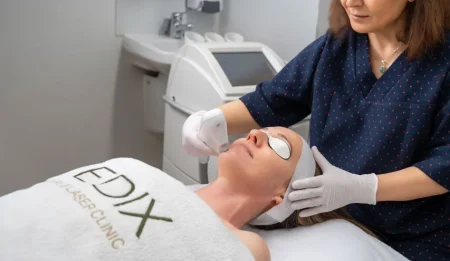
Intense pulsed light (IPL) is a light-based technology that has been investigated for managing active inflammatory acne.
Depending on the device and treatment settings, IPL may help reduce inflammatory lesions through effects on acne-associated bacteria and inflammatory processes within the skin.
A 2025 systematic review published in Lasers in Medical Science examined 32 studies involving 1,520 participants.
Across the included studies, IPL treatments were associated with reductions in active acne lesions, although results varied between devices and treatment protocols.
A separate 2025 clinical study involving 20 participants also reported improvement in inflammatory acne following IPL treatment.
These findings suggest that IPL may be a useful complementary treatment for selected people with inflammatory acne.
At Medix Skincare & Laser Clinic, we offer UltraPlus VPL, a form of intense pulsed light technology.
Following a skin assessment, we can discuss whether VPL may be appropriate for your acne concerns.
By helping manage active breakouts and inflammation, suitable treatment may contribute to an overall approach aimed at reducing the risk of future scarring.
However, improvement in acne lesions doesn’t guarantee that permanent scars will be prevented, and results from other IPL devices cannot automatically be applied to UltraPlus VPL.
Learn more about light-based skin rejuvenation at Medix.
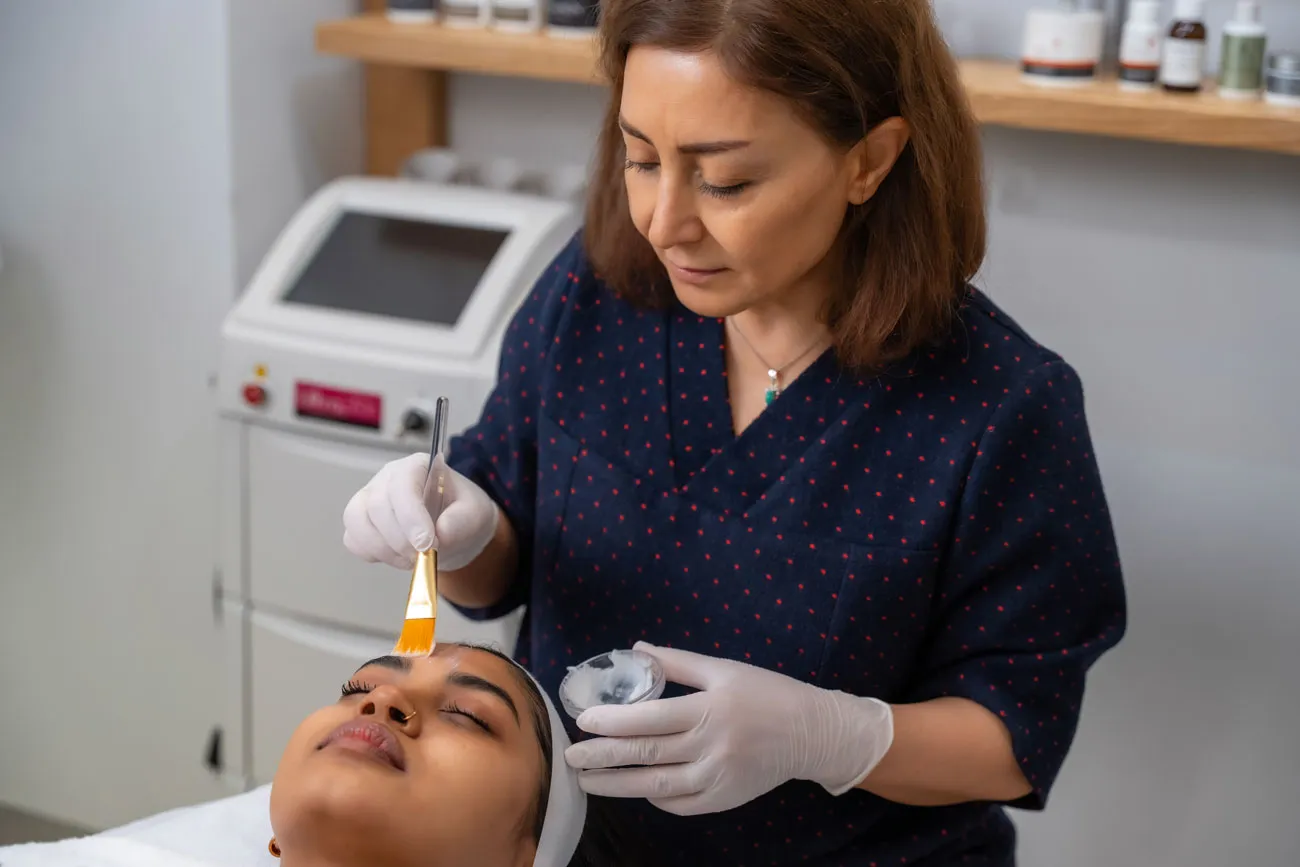
Chemical Peels for Acne-Prone Skin
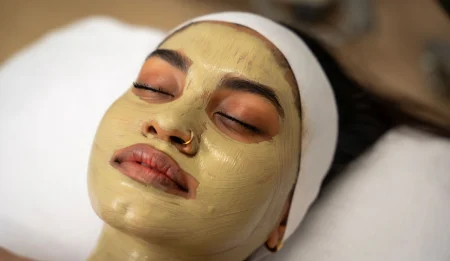
Selected professional chemical peels may also help manage acne-prone skin.
Depending on their formulation, peels containing ingredients such as salicylic acid or glycolic acid can support skin renewal, improve congestion and reduce certain acne lesions.
A systematic review published in 2025 examined 160 studies involving 8,121 participants across several procedural acne treatments, including chemical peels and light-based therapies.
The findings reported encouraging results for selected salicylic and glycolic acid peels, although treatment outcomes varied.
Chemical peels may therefore be considered as a complementary option for suitable acne-prone skin.
However, not every peel is appropriate for inflamed or sensitive skin, and direct evidence that chemical peels prevent permanent acne scars remains limited.
Explore chemical peel treatments at Medix.
7. Seek Professional Help for Deep or Persistent Acne
Some types of acne are more likely to leave permanent scars, particularly deep inflammatory nodules and cysts.
If your acne is painful, recurring, widespread or already leaving indentations, it’s important not to delay medical assessment.
A GP or dermatologist can determine whether prescription treatment is needed to control inflammation and reduce the risk of further scarring.
You don’t need to wait until your acne becomes severe before asking for help.
Can Acne Scars Be Prevented Completely?
Unfortunately, no skincare routine or treatment can guarantee that acne scars won’t develop.
Some people are more prone to scarring because of their individual healing response, genetics and the type of acne they experience.
However, managing active acne early, avoiding unnecessary trauma and following appropriate treatment advice can help reduce the risk.
And if you already have acne scars, there are professional treatments that may improve their appearance.
You can explore these options in our guide to acne scar treatments in Melbourne.
If you’re still experiencing breakouts but would like to address existing scars, read our article on treating acne scars while you still have active acne once that page is published.
How Medix Can Help You Manage Acne-Prone Skin
At Medix Skincare & Laser Clinic in Bentleigh, Melbourne, we take the time to assess your skin, explore the treatment options that may be suitable for you, and work together to find the best approach for your skin’s needs and goals.
Whether you’re concerned about frequent breakouts, lingering post-acne marks or the possibility of future scarring, we’re here to help you understand your skin and make informed decisions about your care.
Concerned That Your Acne Might Leave Scars?
You don’t need to wait until scarring becomes noticeable to seek professional advice.
Book a consultation with us, and let’s work together to find the most suitable approach for your skin’s needs and goals.
For more information, contact us at 03 9686 0003.
You can also visit our clinic at 1/367A Centre Road, Bentleigh, Victoria 3204.
Click here to view our location on Google Maps.
Frequently Asked Questions:
Can you prevent acne scars naturally?
Gentle skincare, avoiding picking pimples and managing everyday factors that aggravate your acne may help support skin health. However, these habits cannot guarantee scar prevention. Effective treatment of active inflammatory acne remains the most important step.
Does every pimple leave a scar?
No. Many pimples heal without permanent scarring. Deep or persistent inflammatory acne carries a greater risk, although individual healing responses also influence whether scars develop.
Can vitamin A help prevent acne scars?
Topical retinoids can help reduce blocked pores and new acne lesions. By supporting effective acne management, they may contribute to reducing the risk of future scarring. However, not all vitamin A products are equivalent, and they don’t guarantee scar prevention.
Can IPL help prevent acne scars?
Research suggests that IPL treatments can reduce inflammatory acne lesions. Managing inflammation early may help lower the risk of future scarring, but direct evidence that IPL prevents permanent acne scars is limited.
Can chemical peels help prevent acne scars?
Selected chemical peels can help manage certain types of acne and congestion. This may support an overall acne-management plan, but chemical peels haven’t been proven to prevent all acne scars.
When should I see a dermatologist for acne?
Seek medical advice if you experience deep or painful acne, frequent inflammatory breakouts, new scarring or acne that isn’t improving with appropriate treatment.
Scientific References
- Iyengar L, Welsh B. Acne vulgaris: a clinical update. Australian Prescriber. 2026. Read the peer-reviewed article.
- Reynolds RV, et al. Guidelines of care for the management of acne vulgaris. Journal of the American Academy of Dermatology. 2024. PubMed.
- Jafarzadeh A, et al. Systematic review of vascular lasers for the treatment of inflammatory active acne vulgaris. Lasers in Medical Science. 2025. PubMed.
- Al-Sharnoby HA, et al. The Efficacy of Intense Pulsed Light Versus Topical Nicotinamide 4% in Treatment of Acne Vulgaris. Photodermatology, Photoimmunology & Photomedicine. 2025. PubMed.
- A comprehensive systematic review on the efficacy, safety, tolerability, and relapse rates of modern procedural therapies for inflammatory and non-inflammatory acne vulgaris. 2025. PubMed.
Prepared by Elham Ghaedi | Dermal Clinician
Elham Ghaedi is a dermal clinician and founder of Medix Skincare & Laser Clinic. Her approach focuses on personalised skin assessment, evidence-informed treatments and helping clients make informed decisions about their skin health and treatment goals.
Disclaimer: The information in this article is provided for general educational purposes only and is not intended to replace personalised medical advice, diagnosis or treatment. Acne severity, skin sensitivity, medications and individual health circumstances can affect treatment suitability and outcomes. Always Consult a qualified professional before starting new active skincare ingredients or treatments.